Specifying wallcovering for a hotel or restaurant is a different discipline than dressing a home. It runs on durability grades, fire codes, brand standards, and the reps who move a product from a mood board to a loading dock on schedule.
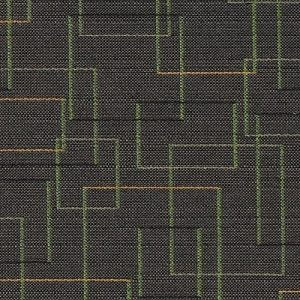





What hospitality-grade wallcovering has to survive
A guest corridor or a restaurant banquette sees more wear in a month than a home wall sees in years, so contract wallcovering is built to a spec, not a mood. It carries a durability Type (I, II, or III under CFFA-W-101 or ASTM F793), a fire rating (commonly Class A per ASTM E84), and often stain, scrub, and mildew resistance. Public corridors, elevator lobbies, and dining rooms usually call for a durable Type II at minimum with a Class A surface.
The format matters too. Contract goods run wider (commonly 54 inches) and are sold by the linear yard off the roll, which changes yardage math and seam planning from residential rolls. Impact-prone zones like corridor chair-rail height may need a heavier Type III or a dedicated wall-protection product. The right choice balances the look the designer wants against the abuse the space will actually take.
How sales representation works in this market
Most commercial wallcovering does not sell direct off a shelf; it moves through manufacturers' reps and sales agencies that carry a portfolio of lines into a territory. The rep is the link between the designer specifying the job, the manufacturer producing it, and the installer hanging it. They bring memo samples and full-size cuttings to design firms, quote yardage, confirm stock and lead times, and manage the specification through submittals and approvals.
For a hotel or restaurant project, a good agency does more than deliver swatches. They flag when a specified product cannot meet a fire code in a given jurisdiction, propose a compliant equal when a line is discontinued mid-project, and coordinate delivery to a job site's timeline. In a market where a single property can consume thousands of yards across guestrooms and public spaces, that coordination is often the difference between an on-time opening and a delayed one.
Brand standards and the specification chain
Branded hotels typically operate under design and brand standards that dictate acceptable finishes, performance levels, and sometimes approved vendors. A wallcovering that looks right but fails a brand's durability or fire requirement will not clear review, so the specification has to satisfy the designer's intent and the operator's rulebook at once. Independent restaurants have more freedom but still answer to local commercial fire and health codes.
The chain from concept to installed wall passes through several hands: the interior designer selects, the rep or agency quotes and documents, the general contractor or wallcovering contractor procures and installs, and the authority having jurisdiction inspects. Keeping fire certificates, durability data, and adhesive information moving with the order at every step is what keeps a project from stalling at inspection or during a brand audit.
Quick checklist before you order
- Match the TypeChoose Type I/II/III to the traffic; public areas usually need Type II or higher.
- Confirm Class AVerify the E84 fire rating meets the space and jurisdiction.
- Check brand standardsFor branded properties, confirm the finish clears the operator's spec.
- Lock lead timesConfirm stock and production timing against the opening date early.
- Keep the docsCarry fire certs, durability data, and adhesive info with the order.
Frequently asked
Why can't I just buy hotel wallcovering direct?
Most contract lines sell through manufacturers' reps and agencies who handle specification, yardage, stock, and lead times; the rep is how a spec becomes a delivered order.
What durability do hotel corridors need?
Public corridors typically call for a durable Type II wallcovering with a Class A fire rating at minimum, and heavier Type III or wall protection in high-impact zones.
What is a manufacturer's rep?
An agent who carries a manufacturer's lines into a territory, presenting samples to designers and managing quoting, documentation, and delivery through the project.
Read more
- What a Hospitality Wallcovering Rep Actually Does Between the Mill and the Design FirmAn independent rep is not a salesperson who cold-calls hotels. The job is to get a line specified inside a design firm months before anyone writes a purchase order.
- How a Multi-Line Rep Agency Is Built: Territories, Lines, and ConflictA rep agency lives or dies on its line card. The art is assembling brands that complement rather than compete, inside a territory the manufacturer will protect.
- Getting Specified and Getting Purchased Are Two Different SalesOn a hotel project the design firm writes the spec and a purchasing agent buys the goods. A rep has to win both, because the second can quietly undo the first.
- Reading a Hospitality Bid: Allowances, Substitutions, and the 'Or Equal' ClauseThe language in a bid package decides whether a specified wallcovering survives value engineering. A rep who can read that language can defend a line.